
Hydrogen / Diesel Blending
Lower operating costs and emissions through a straightforward retrofit. ESSNA™ owns, installs, and operates the system — no CapEx required.
Reduce Diesel Consumption and Carbon Intensity Without Fleet Replacement
ESSNA’s™ hydrogen diesel blending system retrofit to existing heavy-duty engines. Hydrogen is blended into the combustion process for a cleaner, more efficient burn — delivering immediate impact, lowering cost and carbon intensity.
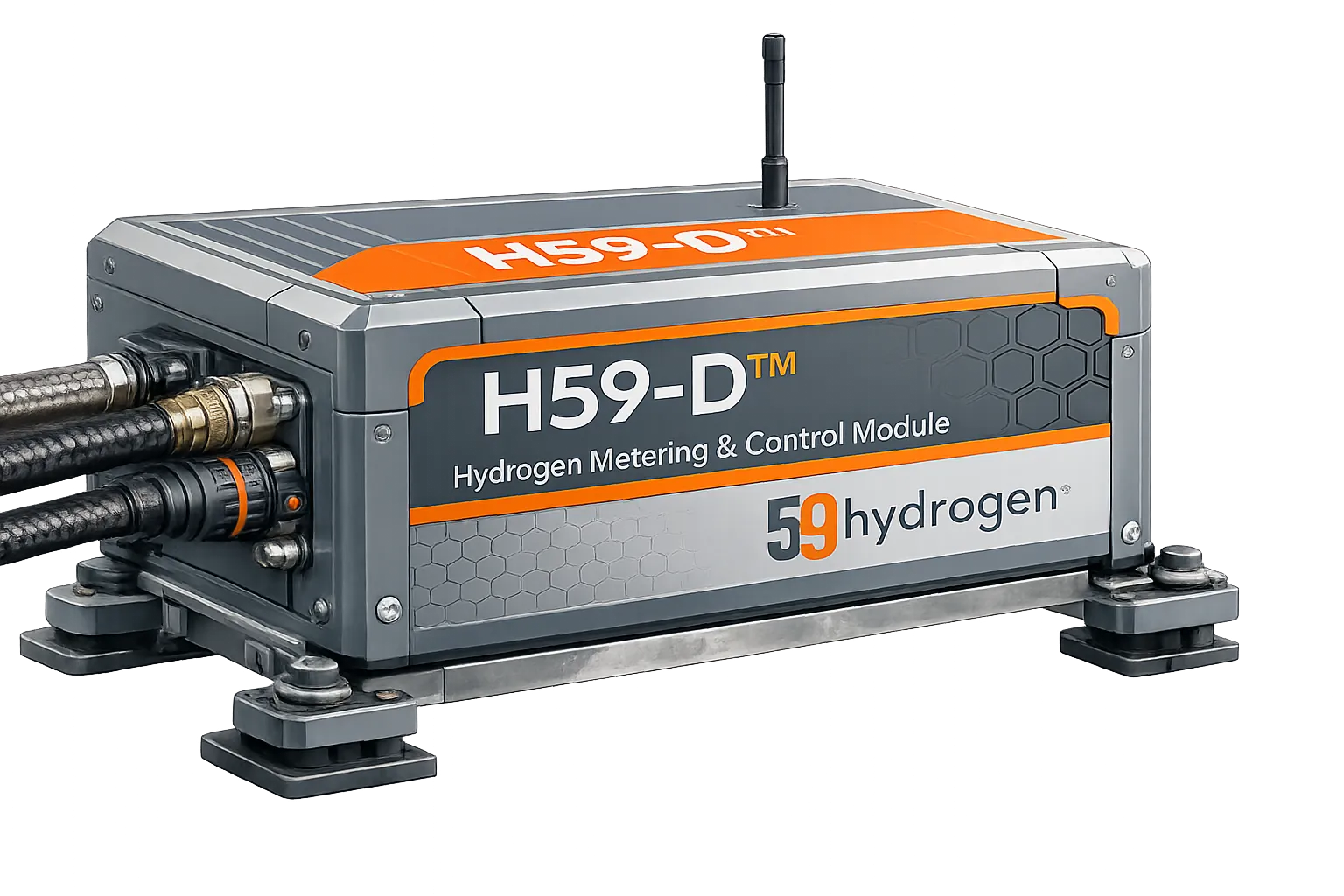
ESSNA's™ Hydrogen Advantage

Zero CapEx Setup
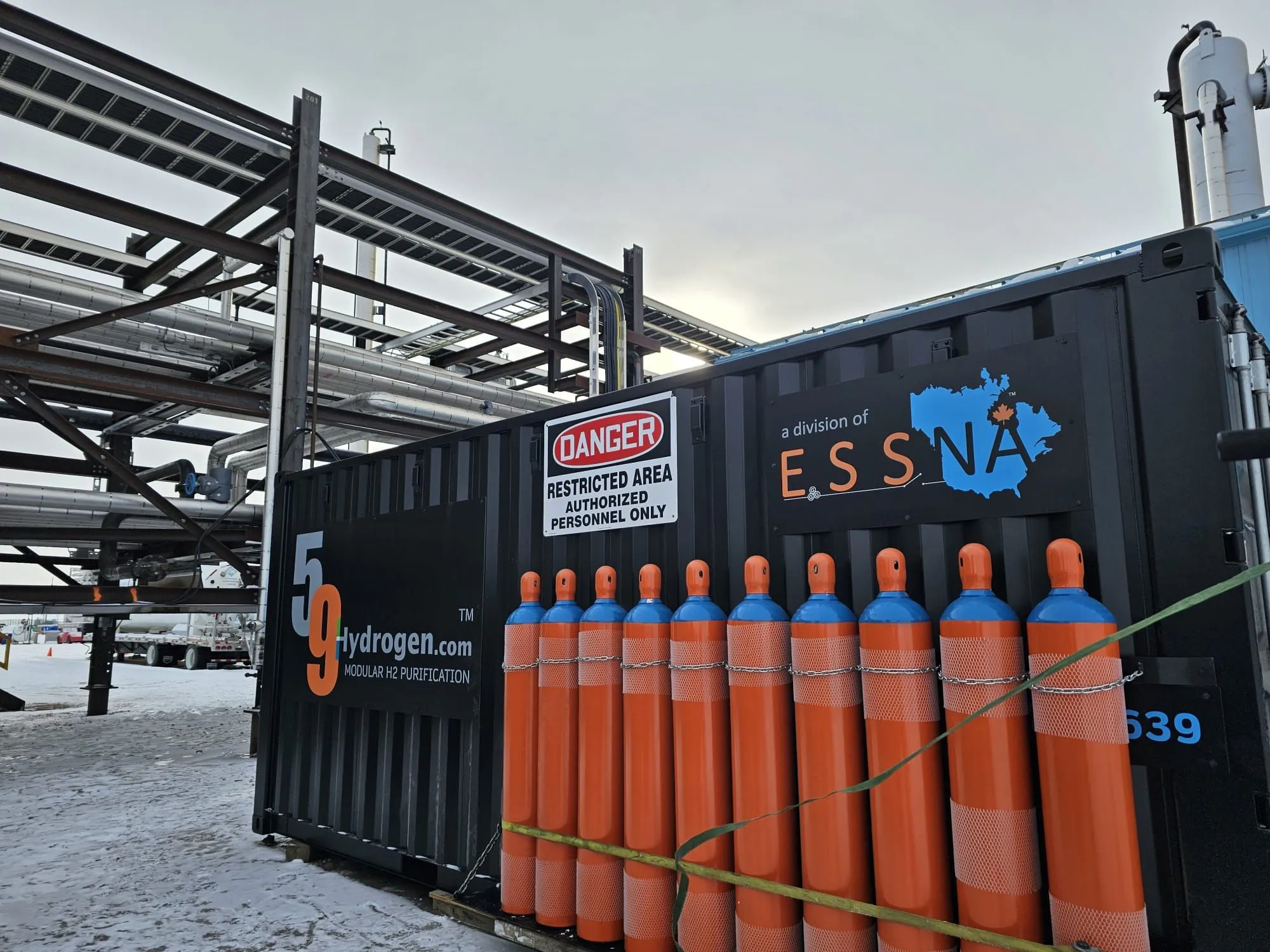
All H59D Autonomous™ Equipment is provided, with no CapEx expectation of the client. ESSNA™ installs and maintains the system while you pay only for hydrogen consumed.

Supplied Hydrogen
ESSNA™ provides the required hydrogen at the point of use, eliminating the need for deliveries.

Carbon Credit Access
Reduce emissions and unlock incentives through clean fuel programs.
(Subject to Project Environment / CI Model)

Lower Fuel Costs
Blend hydrogen with diesel to cut fuel expenses without changing your fleet
How it Works
ESSNA™’s hydrogen-diesel blending system integrates with existing heavy-duty engines to introduce hydrogen into the combustion process in a controlled, autonomous manner — without replacing engines or altering normal vehicle operation.
Supplied Hydrogen
As part of the solution, ESSNA™ provides the hydrogen supply used for diesel–hydrogen blending.
Precision Blending
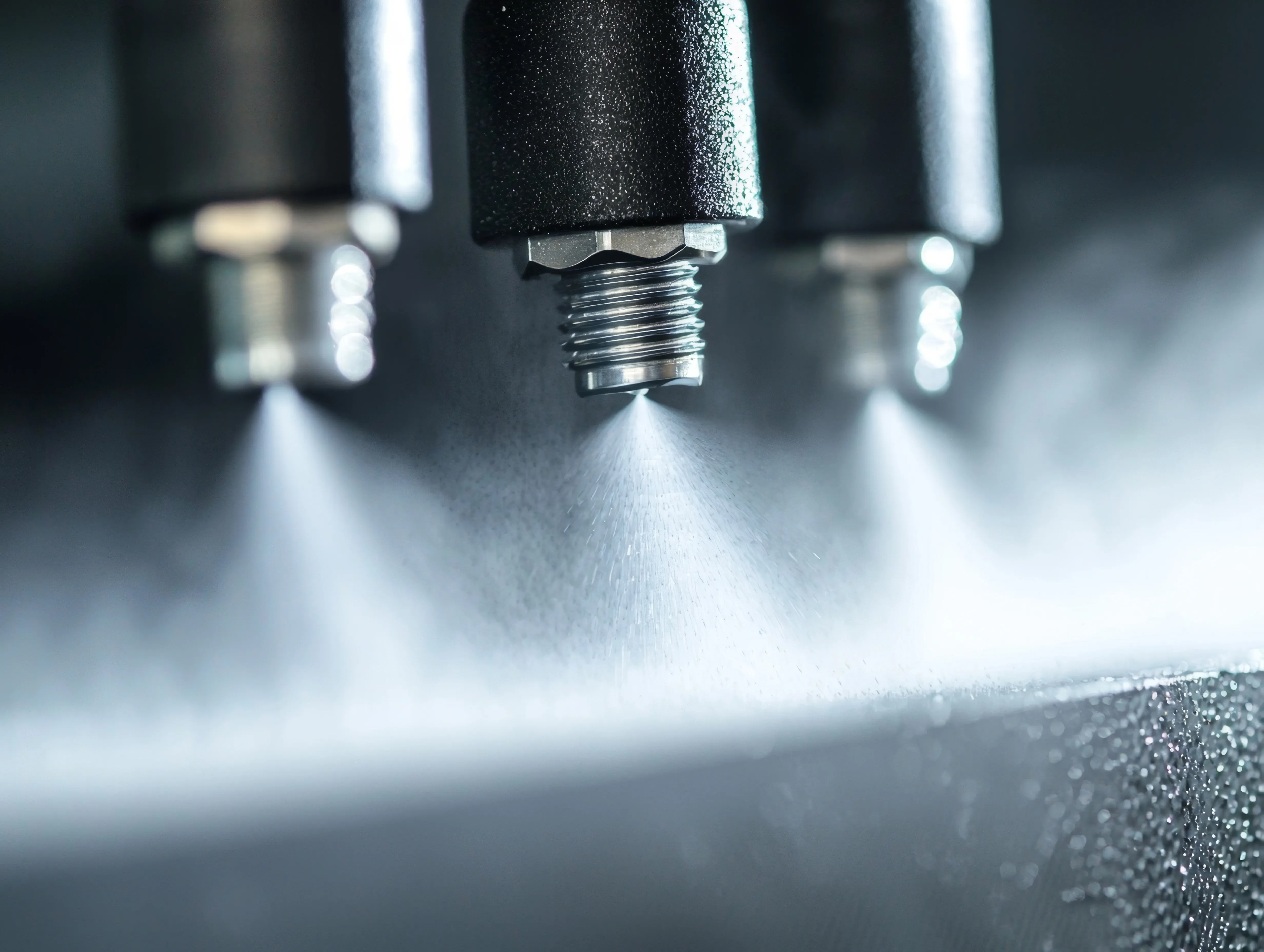
The H59-D Autonomous™ blending module injects hydrogen into the diesel combustion process using precision controls, without altering engine design or performance.
Cleaner Combustion
Blended hydrogen enables a cleaner, more efficient diesel burn, delivering measurable reductions in diesel consumption and carbon intensity while maintaining engine uptime.
Autonomous Operation
The system operates autonomously during normal driving conditions, requiring no driver input and no changes to existing vehicle operation or workflows. Controlled by ESSNA_OTA™.
Learn About Our Turnkey Process
Meet the Team

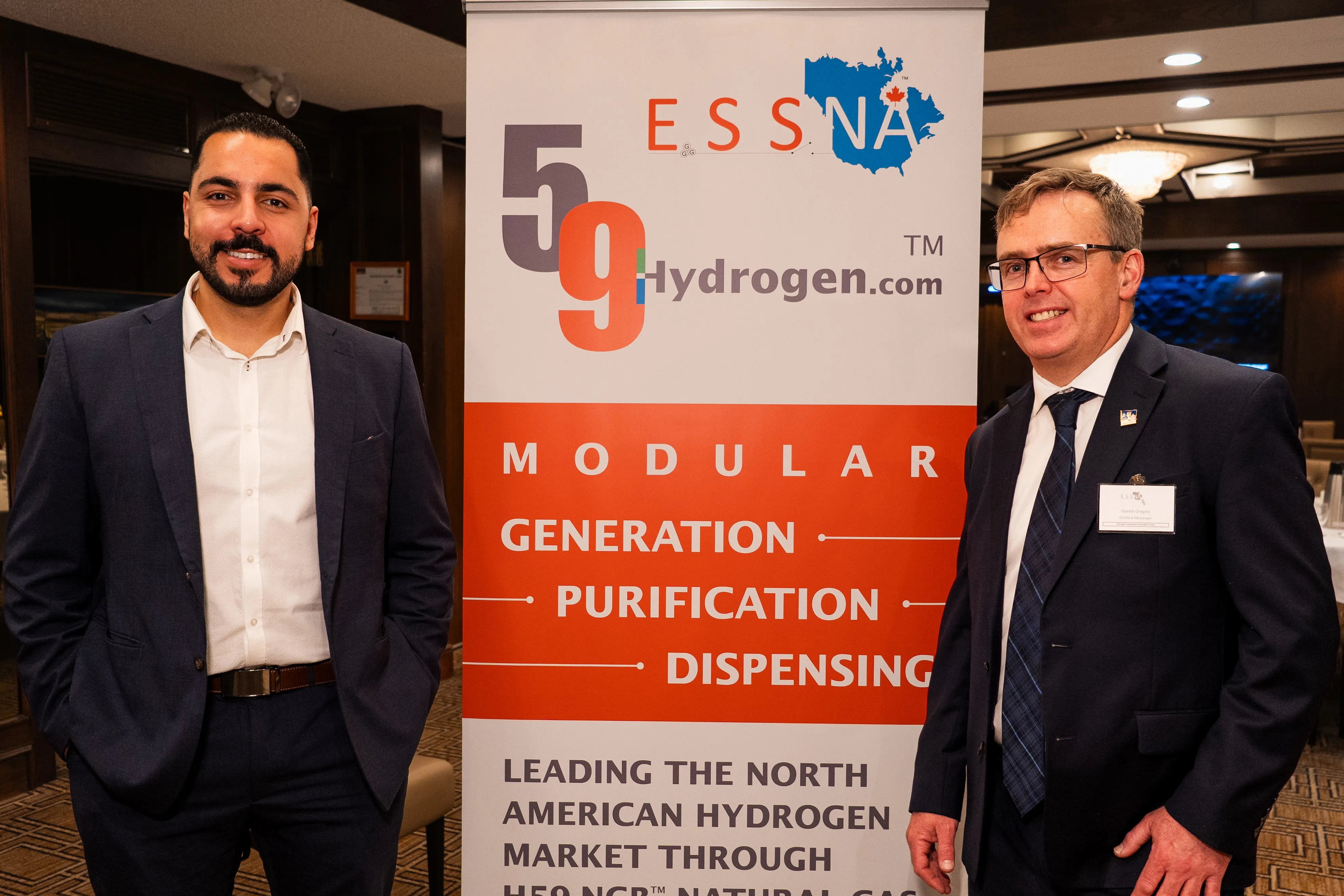
Gareth Gregory leads ESSNA’s North American operations, bringing over a decade of experience in deploying clean energy infrastructure across industrial and fleet sectors. He’s trusted by logistics, energy, and government partners to deliver scalable hydrogen solutions that meet today’s operational and regulatory demands.

Edgar La Pointe brings deep operational insight from years of managing commercial and industrial fleets across North America. His hands-on experience ensures ESSNA™ hydrogen solutions are built around real-world fleet needs
Let's Talk Hydrogen
Our team will show you how diesel–hydrogen blending can work for your fleet. No delivery premiums, no upfront investment — just a smarter way forward.

H2 with Gareth Gregory
Stay up to date on the latest trends, innovations, and insights in the hydrogen industry with Gareth, North American Head of ESSNA™. From market developments to the future of clean energy, get expert perspectives on what’s shaping the world of hydrogen.
Frequently Asked Questions
H59-D Autonomous™ is ESSNA™’s advanced hydrogen–diesel blending technology that enables existing diesel engines to operate with a controlled hydrogen assist. The system optimizes combustion in real time, reducing diesel consumption, lowering emissions, and helping fleets decarbonize without replacing engines or disrupting operations.
Most fleets want to reduce emissions but cannot replace thousands of diesel assets overnight. H59-D Autonomous™ provides a practical transition solution by enabling existing engines to use hydrogen alongside diesel, delivering meaningful diesel reduction and carbon reduction.
Depending on engine platform, duty cycle, and load profile, fleets can typically reduce 10–18% of diesel consumption through hydrogen blending. ESSNA™ evaluates fleet data and prepares a detailed Working Note™ outlining expected fuel savings and emissions reductions before deployment.
No, the hydrogen is supplied by ESSNA as part of the H59-D Autonomous system.
No. The system is designed to integrate seamlessly with existing diesel engines and fleet operations. Drivers operate vehicles normally, and if hydrogen flow stops for any reason, the engine automatically continues operating on 100% diesel with no downtime.
The system can be deployed across a wide range of diesel-powered assets, including:
- Class-8 trucks
- Transit buses
- Construction equipment
- Mining equipment
- Industrial generators
- Marine diesel engines
- Drilling rigs
This allows organizations to reduce emissions across entire fleets and facilities rather than replacing individual vehicles.
Hydrogen has a very high flame speed and clean combustion characteristics. When blended correctly with diesel, hydrogen can enhance combustion efficiency, reducing incomplete combustion and lowering emissions such as particulate matter and carbon monoxide.
Hydrogen blending reduces emissions in several ways:
- Lower CO₂ emissions through diesel reduction
- Reduced particulate matter (PM)
- Reduced carbon monoxide (CO)
- Improved overall combustion efficiency
For many companies, this provides a practical pathway toward ESG and decarbonization goals.
Yes. H59-D Autonomous™ includes multiple safety systems including automated controls, monitoring sensors, and fail-safe shutdown mechanisms. The engine always retains its ability to operate on diesel alone, ensuring continuous operation.
Installation is straightforward and typically takes only a few hours per engine and is performed by ESSNA™, allowing fleets to begin reducing diesel consumption quickly without extended downtime.
ESSNA™ works with customers to analyze fleet data including:
- engine types
- duty cycles
- fuel consumption
- operational profiles
Using this data, ESSNA™ prepares a Working Note™ that outlines projected fuel savings, hydrogen demand, emissions reduction, and deployment strategy.
Many hydrogen strategies require replacing equipment or building costly infrastructure. ESSNA™ focuses on practical, near-term decarbonization, enabling organizations to:
- use existing diesel assets
- reduce fuel consumption
- lower emissions
- avoid large capital expenditures
The technology is particularly valuable for organizations operating large diesel fleets such as:
- trucking and logistics companies
- transit agencies
- construction and mining firms
- industrial facilities
- ports and marine operators
These organizations often consume millions of gallons of diesel annually, making hydrogen blending a powerful tool for cost and emissions reduction.
The first step is a fleet data review. ESSNA™ analyzes operating data and prepares a Working Note™ that outlines a tailored hydrogen deployment strategy and expected performance.