
Hydrogen Blending for Generators & Equipment: Why EMAP™ Changes the Outcome
Hydrogen–diesel blending is often framed as a hardware decision. Add hydrogen, tune the system, and expect improved efficiency and lower carbon intensity. In practice, results vary widely. Some deployments deliver measurable gains, while others struggle to produce consistent, repeatable outcomes.
The difference is rarely the idea of blending itself. It comes down to whether blending is applied with a clear understanding of how generators and equipment actually operate in the field.
This is where Energy Modelling and Advanced Planning™ (EMAP™) changes the outcome — and where H59-D Autonomous™ hydrogen–diesel blending is designed to perform as intended.
Blending Without Context Creates Uncertainty
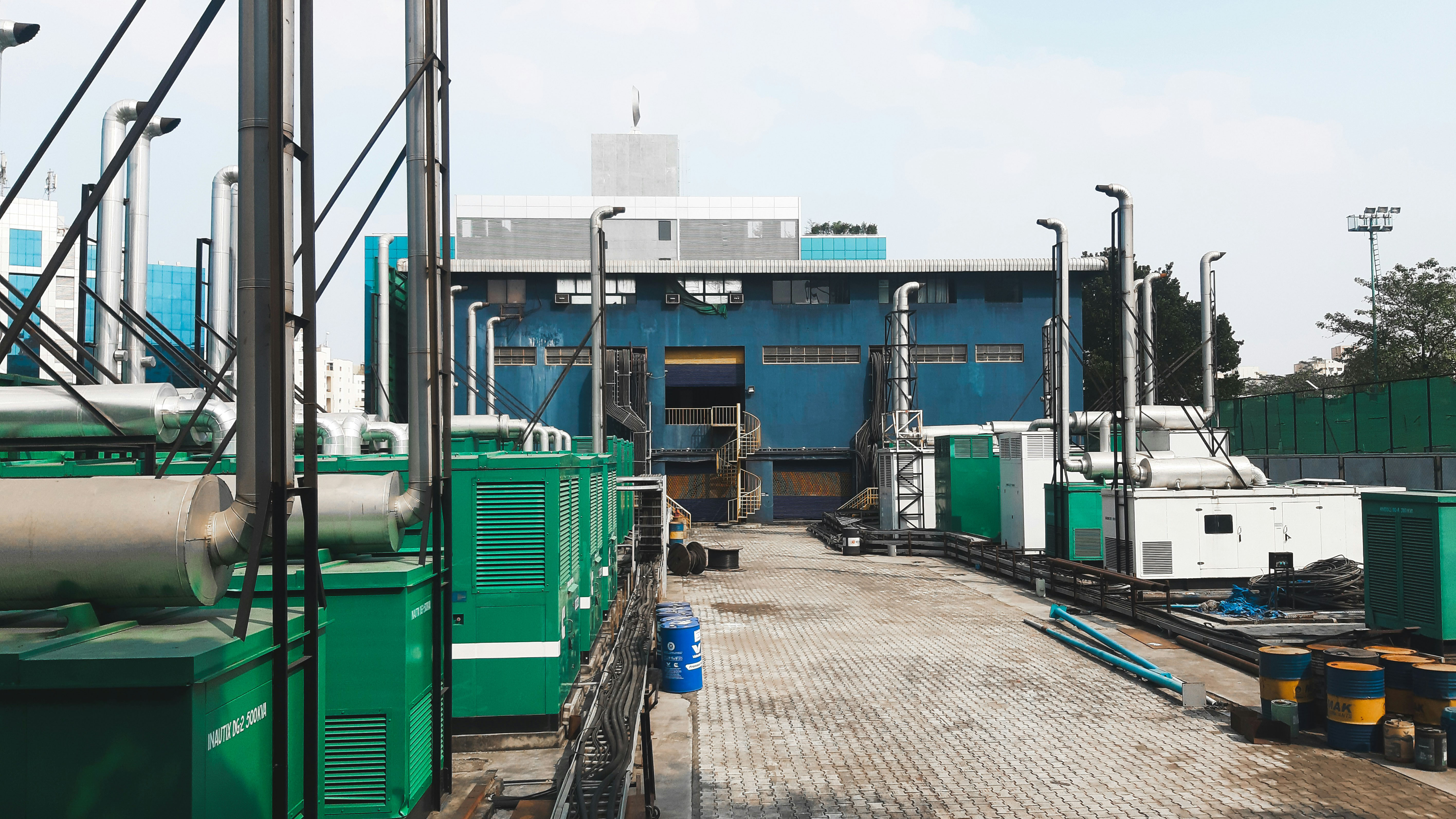
Generators and heavy equipment do not operate under ideal conditions. Although fuel loads are consistent for generators, they fluctuate for other categories of equipment, run-times change, and environmental factors influence daily performance. Yet many hydrogen–diesel blending systems are deployed based on assumptions rather than measured operating behaviour.
When a blending system like H59-D Autonomous™ is introduced without understanding how an asset truly runs, performance can become inconsistent. It may perform well under one operating profile and underdeliver under another. Over time, this creates uncertainty for operators and hesitation from maintenance teams.
EMAP™ exists to remove that uncertainty before hydrogen is ever introduced.
EMAP™ Turns H59-D Autonomous™ Into a Designed System
Rather than treating hydrogen–diesel blending as a fixed overlay, EMAP™ models how energy is actually used at both the site and asset level. It evaluates real load behaviour, duty cycles, fuel consumption patterns, and operating constraints to determine where H59-D Autonomous™ delivers value — and where blending should be limited or adjusted.
This shifts blending from a static configuration to a controlled operating strategy. Instead of being permanently “on” or “off,” hydrogen contribution is aligned with how the equipment is used in practice, not how it was assumed to operate during planning.
The result is a blending system that feels intentional, predictable, and engineered — not experimental. For readers looking to understand the blending system itself in more detail, you can learn more about H59-D Autonomous™ here: www.energysecurity-na.com/blending
Generators and Equipment Behave Differently
EMAP™ delivers the scenarios that MAP these differences.
Generators often operate at steady or semi-steady loads, making them well-suited to consistent, modelled hydrogen–diesel blending strategies using H59-D Autonomous™. Heavy equipment, by contrast, experiences rapid load changes, frequent idling, and highly variable operating conditions.
Treating these assets the same is a common reason blending strategies underperform. EMAP™ recognizes these differences and ensures H59-D Autonomous™ is applied in a way that supports diesel combustion under real operating conditions, rather than forcing a one-size-fits-all approach across fundamentally different assets.
Operational Confidence Comes From Predictability
For operations and maintenance teams, the core concern is not whether hydrogen–diesel blending is theoretically viable. It’s whether the system will affect uptime, maintenance schedules, or operator confidence.
By modelling performance before deployment, EMAP™ provides clarity around expected behaviour and operating boundaries. This reduces surprises after installation and allows teams to adopt H59-D Autonomous™ with confidence rather than caution. Blending stops being a trial-and-error exercise and becomes a managed, measurable transition.
Why EMAP™ Changes the Outcome
Hydrogen–diesel blending does not fail because the concept is flawed. It fails when it is deployed without understanding the system it is being added to. EMAP™ changes the outcome by ensuring H59-D Autonomous™ hydrogen–diesel blending is aligned with how generators and equipment actually operate. It defines where blending makes sense, protects against overuse, and integrates hydrogen into a broader, well-planned energy strategy.
When blending is guided by modelling rather than assumptions, the result is not just improved performance — it’s confidence in how the system behaves day after day.
Learn How EMAP™ Guides H59-D Autonomous™ Before Deployment
Before hydrogen is introduced, EMAP™ provides a clear view of how H59-D Autonomous™ will perform in real operating conditions — helping operators understand where value is created and where constraints exist. If you’re evaluating hydrogen–diesel blending for generators or equipment, understanding the role of energy modelling is the first step. Learn how this applies to your operation, contact ESSNA™ to explore hydrogen–diesel blending with confidence.
H59-D Autonomous™ is delivered under ESSNA™’s 'Hydrogen On-site without CAPEX™' model.