
Hydrogen–Diesel Blending Has Evolved: Old Tech vs the New ESSNA™ Approach
Hydrogen–diesel blending isn’t new—but the technology behind it has changed dramatically. Early systems promised efficiency improvements and lower emissions, but in practice delivered small gains, high operating costs, and complicated installations. Many in the industry tried blending years ago and walked away unimpressed.
Today, the picture looks very different. Modern blending systems are smaller, safer, and more efficient, delivering measurable improvements through enhanced diesel combustion—not simple fuel displacement—resulting in meaningful reductions in carbon intensity.
The ESSNA™ approach in particular resolves nearly every issue associated with earlier generations of blending technology. This article breaks down what went wrong with old tech—and why the new approach finally delivers results worth paying attention to.

Why Old Hydrogen–Diesel Blending Technology Underperformed
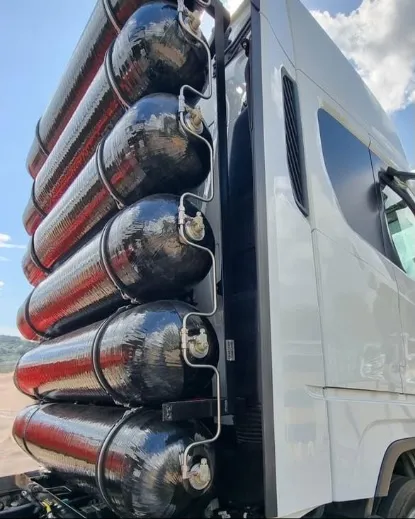
Bulky Systems and Complicated Installations
Early hydrogen blending units were large, intrusive, required multiple large storage tanks, and were time-consuming to install. They often required major modifications to the engine’s air intake and surrounding systems, taking equipment out of service for extended periods. Their size also made them unsuitable for many modern vehicles and equipment designs.
High Cost and Heavy Dependence on Delivered Hydrogen
Older systems relied on hydrogen deliveries, which were expensive, irregular, and difficult to manage safely. CAPEX was high, OPEX was even higher, and the returns were minimal.
Low Performance Gains (Often Just 1–2%)
Most of the early systems showed very small improvements. Hydrogen mixing was inconsistent, and many units injected more hydrogen than necessary while delivering almost no measurable diesel reduction and a situation where you were paying more for your energy equivalent kilometres driven for hydrogen by displacing diesel. or many operations, the impact never justified the investment.
Lack of Safety Integration
Early units often lacked modern safety features—such as automated shutdowns, robust leak detection, and proper intake controls. This created unnecessary risk and contributed to early skepticism in the market.
Operational Problems in Real Environments
Dust, vibration, temperature swings, and field conditions caused reliability problems. Maintenance was frequent, uptime was inconsistent, and the return on effort was low. When the technology owners were asked about technology impact, some claims were scientifically impossible and the balance that remained simply stated ‘we are not sure’ as there is too much variability. Guessing at net benefits of 1% or 2%.
The New Generation of Hydrogen–Diesel Blending Technology (H59-D™)
Modern systems have transformed blending into a practical, reliable path toward cleaner combustion and lower operating costs.
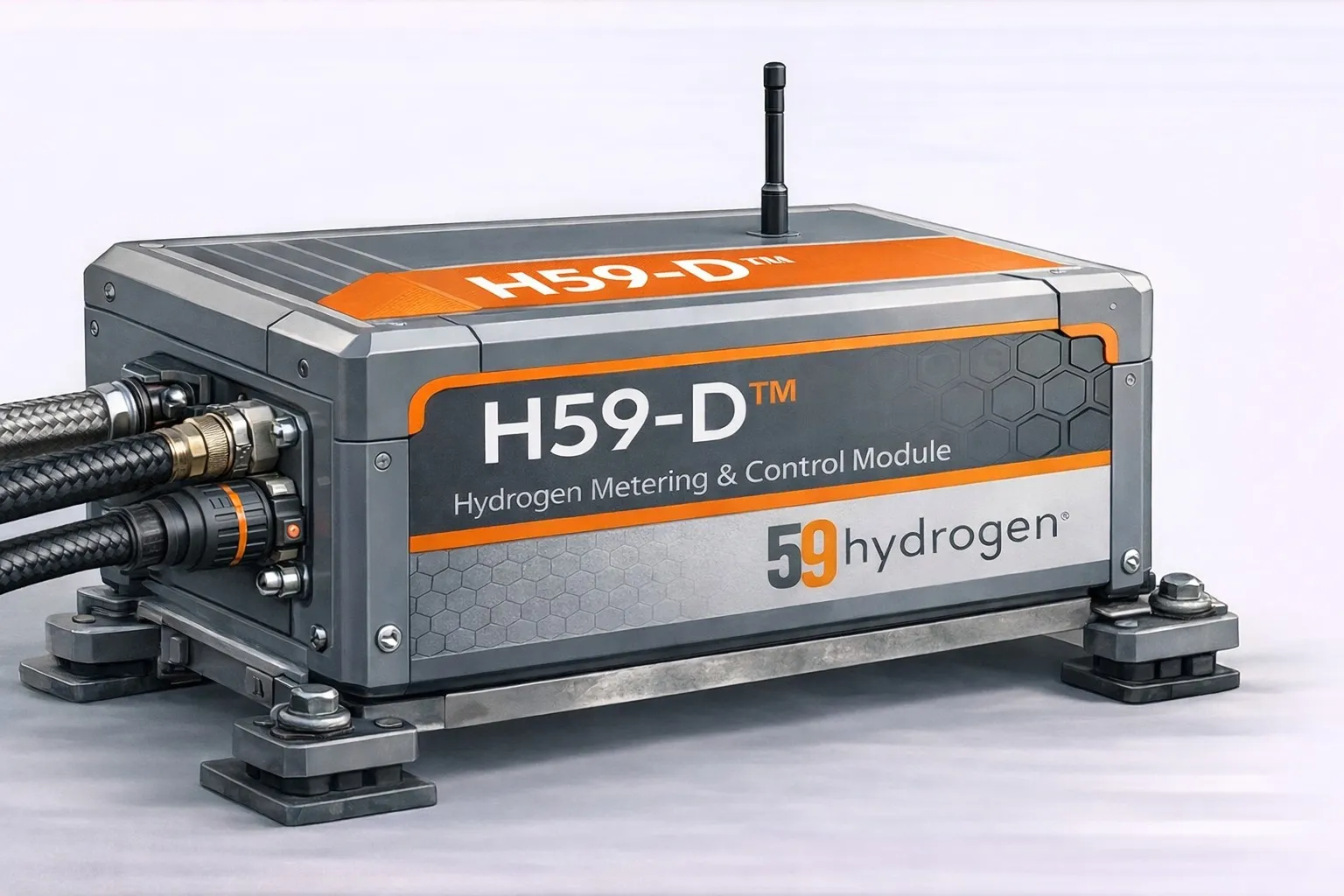
Significantly Smaller, Smarter Hardware
Next-generation systems are compact and engineered for easy integration. They require minimal installation time, and far fewer modifications. Their reduced size also means they can be fitted onto modern trucks, generators, heavy-duty off-road equipment, and other platforms without packaging issues. Ask a highly trained Class 1 licensed driver about their appetite for Hydrogen cylinders behind their head!
More Impact With Less Hydrogen
This is the critical difference. Modern systems use hydrogen far more efficiently, creating a catalyst effect that helps diesel burn more completely. Instead of the 1–2% improvement seen in older systems, next-generation blending can deliver:
- 12-19% carbon-intensity reduction
- A more efficient diesel burn with a minimum 10% diesel reduction
- Cleaner combustion and fewer DPF regenerations
- Smoother engine performance under load
These gains are achieved using far less hydrogen than previous systems required, lowering operational cost and improving reliability.
Integrated Safety and Intelligent Control
Automated shutdowns, leak detection, proper flow control, and engineered safety interlocks make modern blending safe for both on-road and off-road environments. This level of safety simply didn’t exist in older systems.
Lower OPEX, Higher Performance
The old equation—high cost for minor benefit—has been replaced. New systems deliver strong performance improvements with lower operating cost and greater reliability.
What This Evolution Means for the Industry
Hydrogen–diesel blending is no longer experimental. Modern systems make it practical, measurable, and accessible. With smaller equipment, no CAPEX (ESSNA™ Option_HOwC™), lower hydrogen use, and real emissions and fuel-efficiency benefits, today’s blending technology finally solves the shortcomings that limited early adoption.
To stay informed about the next step—including how hydrogen–diesel blending connects to EMAP™ and how operations can unlock meaningful savings in 2026 subscribe to our newsletter for upcoming insights.
Contact ESSNA™ to explore Hydrogen-Diesel Blending for your operation