
From Water to Work: The Journey of On-Site Hydrogen
Hydrogen is becoming an increasingly important part of the modern energy landscape. While the technology behind hydrogen production may seem complex, the process is surprisingly straightforward: produce hydrogen where it is needed, ensure it meets the required purity standards, and use it safely.
This approach—known as on-site hydrogen generation—is helping manufacturers, transportation fleets, mining operations, data centers, and other critical industries improve energy reliability while reducing dependence on delivered hydrogen.
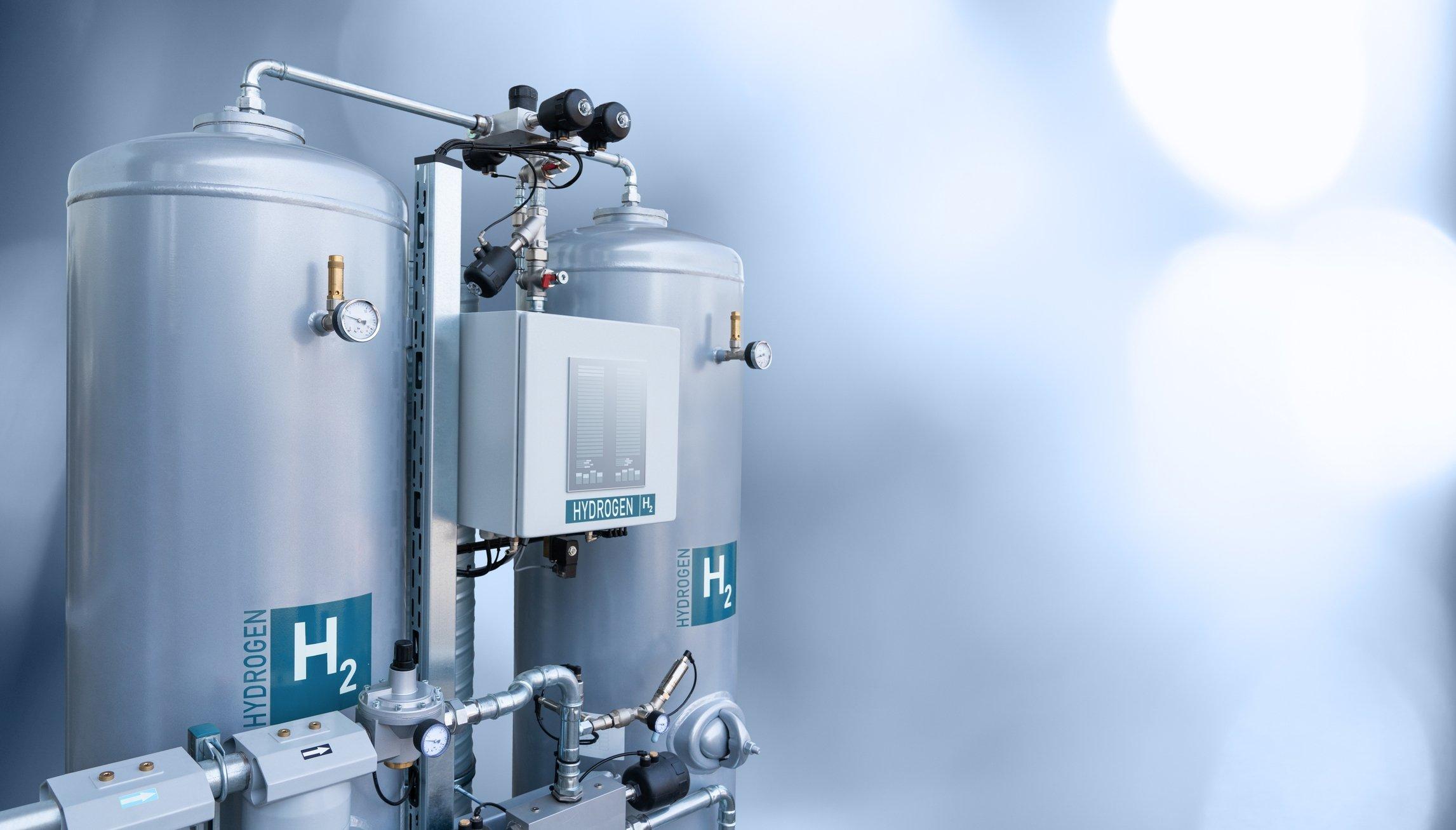
Step 1: Producing Hydrogen
Modern on-site hydrogen systems use commercially proven technologies to generate hydrogen directly at the point of use.
The two most common production methods include:
- Electrolysis – Uses electricity to separate hydrogen from water.
- Steam Methane Reforming (SMR) – Produces hydrogen by extracting it from natural gas.
Choosing the right production technology depends on several factors, including:
- Hydrogen demand
- Available utilities
- Carbon reduction objectives
- Existing infrastructure
- Project economics
Generating hydrogen where it is consumed can reduce transportation requirements, improve supply reliability, and give organizations greater control over their hydrogen supply.
Step 2: Meeting Purity Requirements
Not all hydrogen applications require the same level of purity.
Many industrial processes can operate using standard industrial-grade hydrogen, while fuel-cell systems require exceptionally pure hydrogen that complies with standards such as SAE J2719 and ISO 14687.
Even trace contaminants can impact fuel-cell performance, making purification and quality assurance critical components of any hydrogen production system.
Producing hydrogen is only part of the process—delivering hydrogen at the correct purity is equally important.
Step 3: Designing for Safety
Hydrogen systems are designed with safety as a core engineering principle.
Safe operation depends on disciplined engineering, code-compliant system design, proper installation, and ongoing maintenance.
Modern on-site hydrogen systems may incorporate features such as:
- Hydrogen leak detection
- Ventilation systems
- Pressure management
- Automatic shutdown controls
- Continuous system monitoring
When designed, installed, and maintained according to applicable codes and standards, hydrogen systems can operate safely and reliably in a wide range of industrial environments.
Step 4: Putting Hydrogen to Work
Once generated, hydrogen can support a wide variety of industrial and energy applications, including:
- Fuel-cell vehicle fueling
- Industrial manufacturing
- Heat treatment
- Backup power systems
- Peak shaving
- Hydrogen-diesel blending
- Other industrial energy applications
Producing hydrogen on-site allows organizations to improve supply certainty, reduce reliance on delivered fuel, and strengthen long-term energy resilience.
Finding the Right Solution
On-site hydrogen generation is not a one-size-fits-all solution.
The most appropriate production technology depends on each facility's operational requirements, available infrastructure, sustainability goals, and long-term economic strategy.
By evaluating these factors carefully, organizations can implement hydrogen systems that align with both current operational needs and future energy objectives.
Looking Ahead
Hydrogen continues to play an important role as both an energy carrier and an industrial feedstock, supporting cleaner, more resilient, and more reliable energy systems across multiple industries.
Whether you're exploring hydrogen for manufacturing, transportation, mining, data centers, or other critical infrastructure, understanding the complete journey—from production and purification to safe deployment—is the first step toward making informed energy decisions.
ESSNA™ helps organizations evaluate the most appropriate on-site hydrogen production technologies based on their operational requirements, infrastructure, and long-term energy strategy. Contact our team to learn how on-site hydrogen can support your business goals.