Hydrogen Safety Isn’t a Risk — It’s a System
Hydrogen safety is often discussed as though it is a future challenge the industry still needs to solve.
In reality, hydrogen has been handled safely in industrial environments for decades. What makes modern hydrogen deployment successful is not luck or assumptions — it is the system behind it.
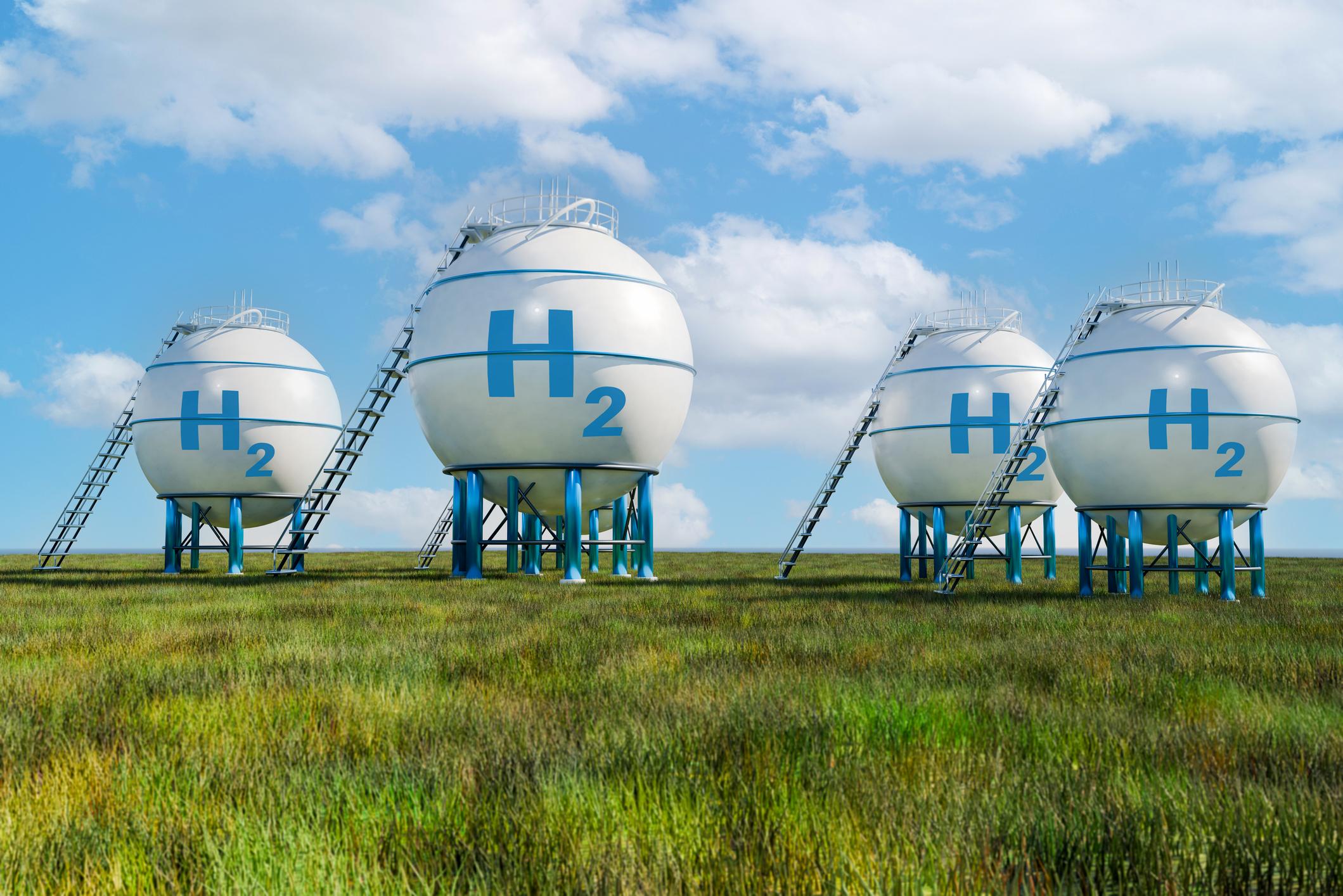
Today’s hydrogen infrastructure operates within a highly engineered framework of international standards, monitoring systems, operating procedures, and automated controls designed specifically to manage risk predictably and consistently.
That distinction matters.
As hydrogen adoption accelerates across fleets, industrial operations, backup power, ports, and critical infrastructure, many organizations are discovering that hydrogen safety is less about the molecule itself and more about how the system is designed.
Modern hydrogen deployments are governed by rigorous standards covering fuel quality, dispensing, storage, ventilation, leak detection, shutdown protocols, and operational procedures.
Key standards include:
- SAE International SAE J2719 and International Organization for Standardization ISO 14687 establish hydrogen fuel quality and purity specifications, particularly for proton exchange membrane (PEM) fuel-cell applications where contaminant limits are critical to system performance and durability.
- The ISO 19880 series establishes requirements and guidance for hydrogen fueling infrastructure, including station design, dispensing systems, operational safety, and fueling protocols for gaseous hydrogen applications.
- Additional applicable engineering codes and standards govern pressure systems, piping, storage vessels, hazardous area classification, gas detection, ventilation, electrical systems, instrumentation, control logic, emergency shutdown systems (ESD), and industrial fire and safety protection requirements.
- Depending on jurisdiction and project scope, compliance may also involve regional pressure vessel, electrical, fuel gas, occupational safety, and permitting frameworks applicable to industrial hydrogen installations and mobile or stationary fueling environments.
These are not optional guidelines. They are integrated into how hydrogen systems are engineered and operated.
This is why modern hydrogen infrastructure looks very different from outdated public perceptions.
Typical hydrogen systems include:
- Continuous leak detection and monitoring
- Automated shutdown and isolation systems
- PLC/SCADA-based operational controls
- Pressure management and cascade storage systems
- Engineered ventilation and controlled venting
- Remote diagnostics and system oversight
- Defined inspection and maintenance procedures
In other words, hydrogen safety is not dependent on a single component. It is achieved through multiple layers of engineering and operational discipline working together.
This approach is not unique.
Diesel, gasoline, natural gas, propane, and electrical infrastructure all operate safely because industries developed standards, procedures, monitoring systems, and operator training around them. Hydrogen follows the same path.
What changes with hydrogen is the engineering approach.
Hydrogen behaves differently than liquid fuels. It disperses rapidly, requires specialized sensing, and demands proper ventilation and pressure management. Modern hydrogen systems are designed specifically around these characteristics.
That is why experienced hydrogen deployment companies focus heavily on systems integration — not just equipment supply.
At ESSNA™, we believe the industry conversation needs to move beyond whether hydrogen can be safe.
The better question is whether hydrogen systems are being engineered, monitored, and operated correctly.
Because when modern standards, controls, and operational systems are applied properly, hydrogen safety stops being a concern driven by uncertainty — and becomes an engineered outcome.
Looking at hydrogen deployment for your operation?
Connect with ESSNA™ to discuss safe, standards-driven hydrogen infrastructure built for real-world performance.