
The Biggest Mistake Companies Make Before Buying a Hydrogen System
As organizations continue exploring hydrogen as part of their long-term energy strategy, the conversation often begins with equipment.
Questions like these are common:
- How large should the hydrogen generator be?
- Which production technology should we choose?
- How much hydrogen storage will we need?
While these are important considerations, they are not the first questions that should be answered.
The biggest mistake companies make is selecting a hydrogen system before fully understanding how their operation will actually use hydrogen.
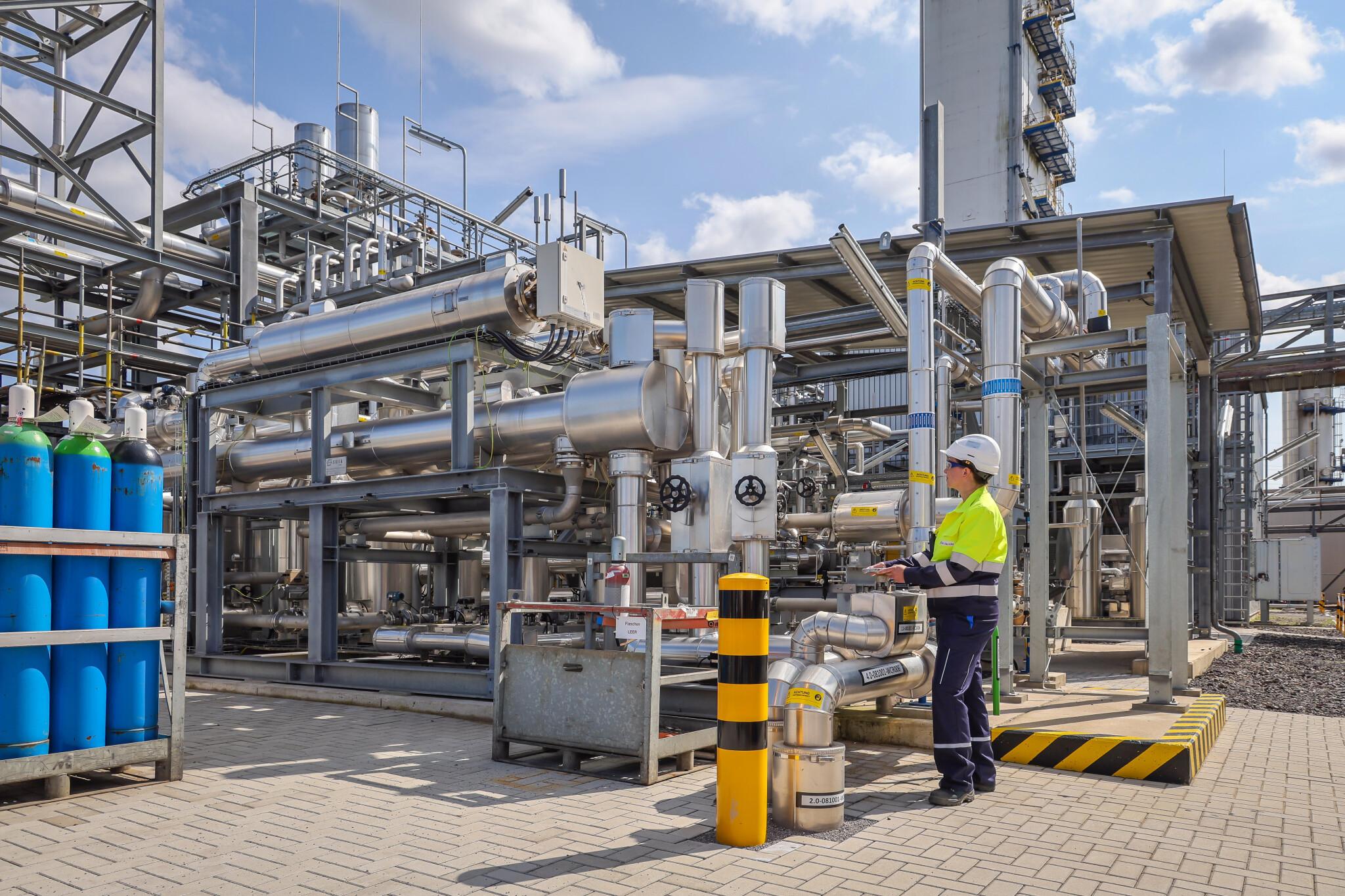
A Hydrogen System Should Be Designed Around Demand
Hydrogen demand is rarely as straightforward as a fixed number of kilograms per day.
Different industries have very different operating profiles:
- An industrial manufacturing facility may require steady hydrogen production throughout the workday but very little overnight.
- A commercial fleet may consume large amounts of hydrogen during short refueling windows.
- A backup power application may remain idle for months before requiring reliable output during an extended outage.
Although these operations may consume similar annual quantities of hydrogen, their generation, storage, compression, purification, and dispensing requirements can be dramatically different.
Before selecting equipment, every project should evaluate:
- Average hydrogen demand
- Peak hydrogen demand
- Required flow rate
- Delivery pressure
- Operating hours
- Demand variability
- Required hydrogen purity
- Storage requirements
- Redundancy expectations
- Future expansion plans
Designing around average demand alone can leave operations unable to meet peak usage periods. Conversely, sizing equipment solely for maximum demand often results in oversized systems, lower utilization, and unnecessary capital investment.
The right system begins with understanding how hydrogen will actually be used.
Site Utilities Can Determine Project Success
Hydrogen generation does not operate independently from the surrounding facility.
Every production method depends on supporting infrastructure.
Electrolysis requires reliable electricity and treated water. Other hydrogen production technologies may depend on natural gas, process heat, water availability, and emissions-management systems.
Additional equipment—including compression, purification, cooling, storage, and dispensing—also requires energy, utilities, and physical space.
Several site-specific factors can significantly influence project feasibility, including:
- Available electrical capacity
- Utility rates
- Grid connection timelines
- Water quality
- Available installation space
- Site access
- Permitting requirements
- Existing facility infrastructure
A hydrogen solution that appears ideal during preliminary evaluation may become impractical once real-world site conditions are fully assessed.
Understanding the complete operating environment is essential before selecting any equipment.
Design for Tomorrow—Not Just Today
Another common planning mistake is designing only for current hydrogen demand.
Business requirements rarely remain static.
A commercial fleet may continue adding vehicles. Manufacturing operations may expand production capacity. Data centers may increase power density. Hydrogen purity, pressure, or dispensing requirements may also evolve as new equipment is introduced.
Planning for future growth from the beginning allows organizations to expand capacity without replacing their original investment.
Modular hydrogen systems can provide valuable flexibility—but only when future expansion has been considered during the initial planning phase.
The Lowest Equipment Price Is Not Always the Lowest Cost
Choosing equipment based solely on purchase price can lead to significantly higher long-term operating costs.
A comprehensive economic evaluation should include far more than the initial capital investment.
Organizations should consider:
- Electricity or feedstock costs
- Equipment utilization
- Maintenance requirements
- Hydrogen purification
- Compression costs
- Storage infrastructure
- Staffing requirements
- Service and maintenance support
- Transportation exposure
- Downtime risk
- Expected system lifespan
The better question is not:
"What does the equipment cost?"
The better question is:
"What will reliable hydrogen cost at the point where we actually use it?"
Focusing on lifecycle economics instead of purchase price leads to more sustainable and cost-effective hydrogen projects.
Model First. Select Equipment Second.
At ESSNA™, successful hydrogen projects begin with understanding the operation—not the equipment.
Through Energy Modelling and Advanced Planning™ (EMAP™), organizations can evaluate real operational requirements before committing to a specific hydrogen technology.
The goal is not to make hydrogen fit every project.
The goal is to determine:
- Whether hydrogen is the right solution
- How much hydrogen is actually required
- Which system configuration delivers the safest, most reliable, and most economical outcome
This planning-first approach reduces risk, improves long-term performance, and ensures investments align with operational objectives.
Build the Right Hydrogen Strategy
A successful hydrogen project does not begin with a generator.
It begins with a clear understanding of the operation it is expected to support.
By evaluating demand, infrastructure, future growth, and lifecycle economics before selecting equipment, organizations can make informed decisions that deliver reliable performance for years to come.
Before choosing a hydrogen system, talk to ESSNA™ about developing the right energy and hydrogen strategy for your operation.