
The Hidden Energy Risk Facing Manufacturers and Data Centers
For manufacturers and data center operators, energy is far more than a utility expense—it is a critical operational input. Whether producing industrial goods or supporting digital infrastructure, operational continuity depends on reliable, predictable energy systems.
A brief power interruption, fuel supply disruption, or process gas shortage can impact product quality, reduce throughput, create unplanned downtime, and delay customer deliveries. In a data center environment, the same disruption can affect uptime, service availability, customer commitments, and business continuity.
That is why organizations should not begin by asking, “Should we use hydrogen?”
The better question is, “What energy strategy best protects operations, supports growth, and improves long-term resilience?"
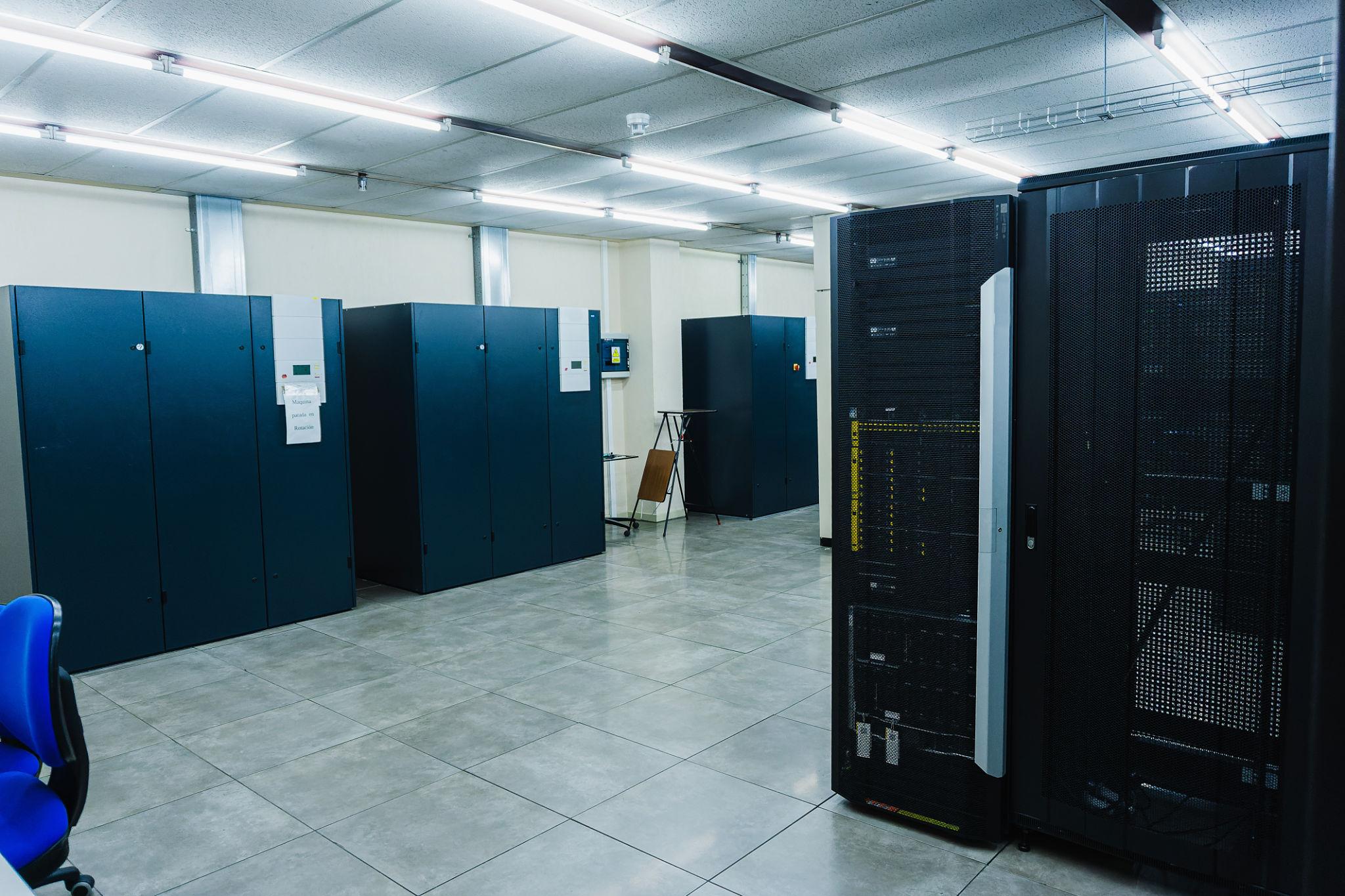
Hydrogen is gaining attention across both manufacturing and data center sectors because it can serve multiple purposes. For data centers, it may support backup power, peak-load management, and energy resilience. For manufacturers, it may serve as a process gas, energy carrier, backup power solution, or part of a broader decarbonization strategy. On-site hydrogen generation can also reduce dependence on delivered supply and transportation logistics.
However, hydrogen is not automatically the right solution for every facility.
Many manufacturing facilities and data centers face challenges that have little to do with the fuel itself. Utility capacity constraints can limit expansion, electrical demand charges can increase costs, and single-source fuel dependence can create operational risk. Data centers increasingly face utility interconnection delays and rapidly growing power requirements, while manufacturers often encounter similar constraints when expanding production capacity.
Introducing EMAP™: Energy Modelling and Advanced Planning™
This is why ESSNA™ developed EMAP™ — Energy Modelling and Advanced Planning™.
EMAP™ begins with the operation itself, whether it is a manufacturing facility, data center, or other critical infrastructure asset. Rather than starting with a specific technology, EMAP™ evaluates energy demand, operational requirements, utility limitations, reliability risks, growth plans, emissions objectives, and overall energy costs.
The objective is straightforward: determine what level of energy certainty the operation requires before selecting fuels, equipment, or infrastructure.
Finding the Right Energy Solution
This approach often reveals opportunities that are not immediately obvious. Some facilities may benefit from on-site hydrogen generation. Others may require a combination of hydrogen, energy storage, electrical upgrades, backup generation, or operational changes. In some cases, the analysis may show that hydrogen is not currently the highest-priority investment.
That is a valuable outcome.
The goal is not to force hydrogen into every facility. The goal is to identify the most reliable, cost-effective, and scalable path to maintaining operational continuity.
Why Energy Planning Matters More Than Ever
As energy markets become more complex and organizations face increasing pressure to improve reliability, reduce emissions, secure utility capacity, and support growth, energy planning is becoming a competitive advantage.
Hydrogen may ultimately be part of the answer.
But the first step is understanding the question.
That starts with EMAP™.
Take the Next Step
Before investing in hydrogen, backup power, or new energy infrastructure, understand your full energy system. Contact ESSNA™ to learn how EMAP™ can help your manufacturing operation or data center improve energy certainty, protect operational continuity, and identify the most practical path forward.