
Why 99.99% Hydrogen Can Still Fail Fuel-Cell Requirements
At first glance, 99.99% hydrogen sounds more than pure enough for a fuel cell.
However, for proton exchange membrane (PEM) fuel cells, purity percentage alone does not tell the full story. Fuel-cell hydrogen is evaluated based on both hydrogen concentration and strict contaminant limits established by industry standards such as SAE J2719 and ISO 14687.
This distinction is important because a hydrogen supply can be 99.99% pure and still fail fuel-cell requirements if even a single contaminant exceeds its allowable threshold.
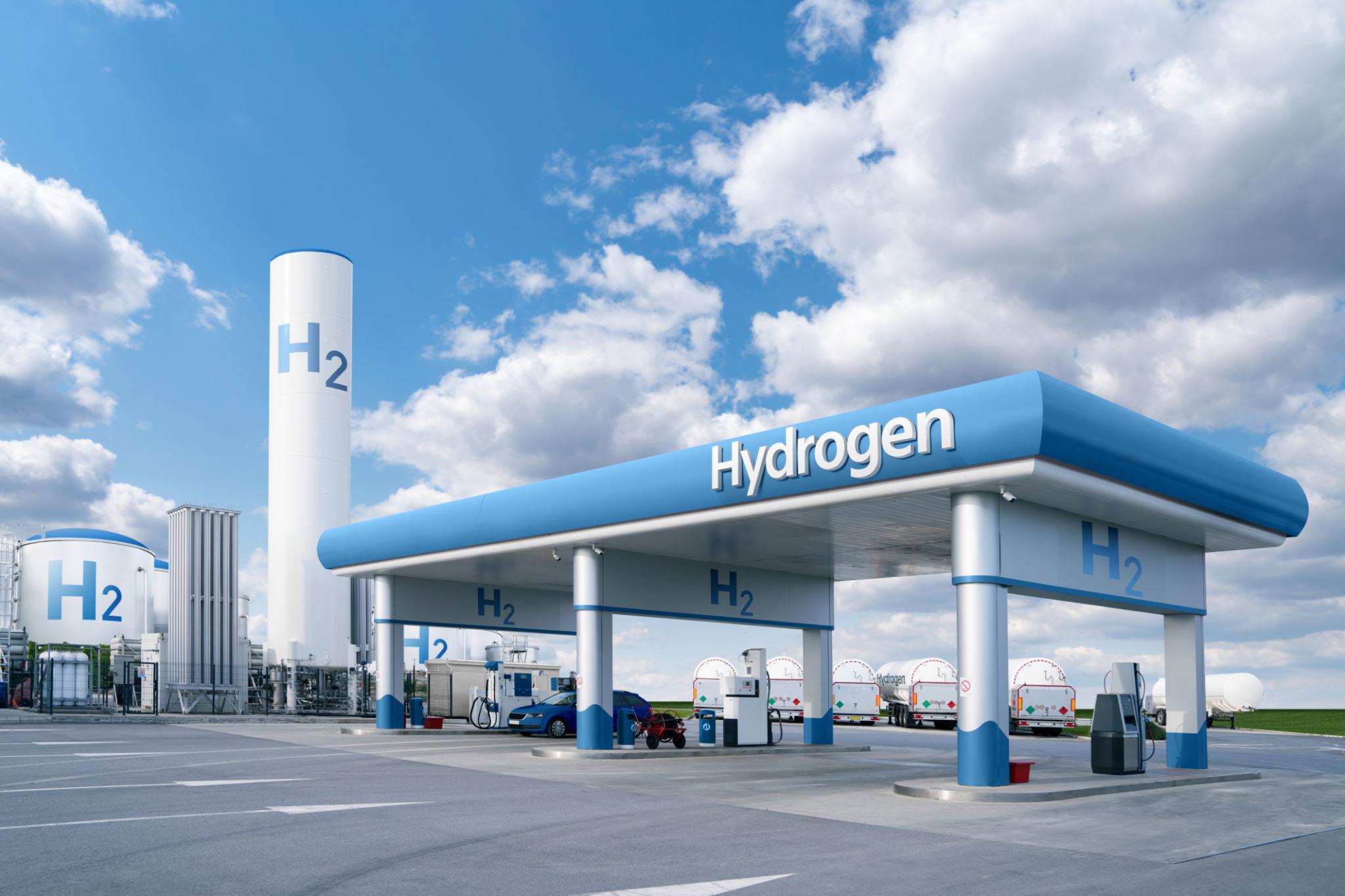
Purity Alone Does Not Define Fuel Quality
Many hydrogen projects focus heavily on achieving a high purity percentage. While purity is important, fuel-cell systems are highly sensitive to trace contaminants that may be present in extremely small quantities.
Potential contaminants include:
- Carbon monoxide (CO)
- Sulfur compounds
- Ammonia (NH₃)
- Moisture (H₂O)
- Oxygen (O₂)
- Carbon dioxide (CO₂)
- Hydrocarbons
- Particulates
Even at very low concentrations, these impurities can negatively affect fuel-cell operation. Some contaminants poison the catalyst, while others accelerate component degradation, reduce efficiency, increase maintenance requirements, or shorten overall stack life.
As a result, two hydrogen samples may both be rated at 99.99% purity yet perform very differently in a fuel-cell application.
One sample may fully comply with fuel-cell specifications, while the other may not.
The difference lies in the contaminant profile.
Why SAE J2719 and ISO 14687 Matter
To protect fuel-cell systems, industry standards go beyond simple purity measurements.
SAE J2719 and ISO 14687 define detailed contaminant limits designed specifically to safeguard fuel-cell performance, durability, and reliability. These standards establish acceptable thresholds for numerous impurities that could otherwise compromise system operation.
Rather than asking whether hydrogen is merely "high purity," these standards ask a more important question:
Does the hydrogen meet specification for fuel-cell use?
This approach ensures that hydrogen quality supports long-term equipment performance under real-world operating conditions.
The Operational Impact of Off-Spec Hydrogen
Fuel quality is not just a technical concern—it is an operational one.
When off-spec hydrogen enters a fuel-cell system, organizations may experience:
- Reduced system performance
- Increased maintenance requirements
- Premature component degradation
- Unexpected downtime
- Higher operating costs
- Shortened equipment lifespan
These risks become especially significant in high-utilization environments such as:
- Fuel-cell vehicle fleets
- Transit depots
- Material handling and forklift operations
- Backup power installations
- Manufacturing facilities
- Critical infrastructure sites
In these applications, even minor reliability issues can create substantial operational and financial consequences.
Hydrogen Quality Requires a Complete System Approach
Achieving specification-grade hydrogen requires more than successful production.
Reliable hydrogen supply depends on multiple interconnected processes working together, including:
- Hydrogen generation
- Purification
- Storage
- Compression
- Dispensing
- Quality assurance and monitoring
Producing hydrogen is only the first step. Consistently delivering hydrogen that meets fuel-cell specifications throughout the supply chain is what ultimately determines system reliability and performance.
Supporting the Future of Hydrogen Applications
As hydrogen adoption expands across transportation, manufacturing, logistics, energy resilience, and critical infrastructure, fuel quality becomes increasingly important.
These applications depend on hydrogen systems designed for:
- Regulatory compliance
- Operational reliability
- Maximum uptime
- Long-term asset protection
- Consistent fuel quality
Organizations that prioritize specification-compliant hydrogen are better positioned to achieve dependable performance while protecting their fuel-cell investments.
How ESSNA™ Helps
At ESSNA™, we help customers evaluate hydrogen supply from a complete system perspective.
Our focus extends beyond hydrogen production alone. We work with organizations to assess generation, purification, storage, dispensing, and quality assurance requirements to help support reliable, specification-compliant hydrogen supply for real-world applications.
Conclusion
The lesson is simple: 99.99% purity may sound impressive, but it is not the full answer.
For fuel-cell applications, what truly matters is whether the hydrogen meets the contaminant limits and quality requirements established by industry standards.
Specification-grade hydrogen helps protect fuel-cell performance, improve reliability, reduce maintenance risks, and support long-term operational success.
Need fuel-cell-grade hydrogen? ESSNA™ can help evaluate your generation, purification, and dispensing requirements to support reliable, specification-compliant hydrogen supply.